
Eczema and dermatitis
Eczema and dermatitis are umbrella terms for a group of conditions that cause inflamed, itchy, and red skin. Understanding these conditions, their causes, symptoms, and treatment options can help people manage their skin health more effectively.
Book an appointmentWhat is eczema?
Eczema and dermatitis are terms for a number of inflammatory skin conditions. It is characterised by swelling of the top layer of the skin, dysfunction of the normal skin barrier and associated inflammation in the top layers of the skin that lead to itch and redness. The term "Eczema" is often used in reference to atopic dermatitis, a chronic condition that often starts in childhood and this can be associated with asthma and hay fever.
What is dermatitis?
Dermatitis and eczema are synonymous terms, ie they are interchangeable and describe the inflammation of the skin. The term dermatitis is favoured in certain countries (US, Europe) or in certain patterns of the condition or in relation to certain causes or triggers. For example, the pattern of eczema/dermatitis caused by an irritating chemical or an allergic skin contact may be referred to as an irritant or contact dermatitis. The type associated with inflammation due to Malassezia yeast species is termed seborrhoeic dermatitis.
What causes eczema and dermatitis?
The main causes of eczema and dermatitis are unclear. However, there are several factors that are known to contribute to their development:
Genetics
A family history of eczema, allergies, or asthma increases the risk of developing eczema and dermatitis. Those with sensitive skin can also be more prone to developing eczema and dermatitis.
Immune system dysfunction
An overactive immune system can cause the skin to react strongly to irritants or allergens.
Environmental factors
Exposure to pollutants, changes in weather (humidity/temperature), and allergens can trigger eczema and dermatitis flare-ups.
Irritants
Soaps, detergents, shampoos, and cleaning products can irritate the skin, disrupt the skin barrier and can result in skin conditions, such as eczema and dermatitis.
Allergens
Contact between the skin and an "allergen" such as Nickel, rubber chemicals, fragrance and preservatives can trigger an allergic contact eczema/dermatitis. Pollen, pet dander (skin), dust mites, and certain foods may be relevant to flare ups.
Stress
Emotional stress can exacerbate the symptoms of existing eczema and dermatitis.
Types of eczema and dermatitis
Whilst the symptoms of eczema and dermatitis are very similar, they are not always the same. Here are the most common types of them:
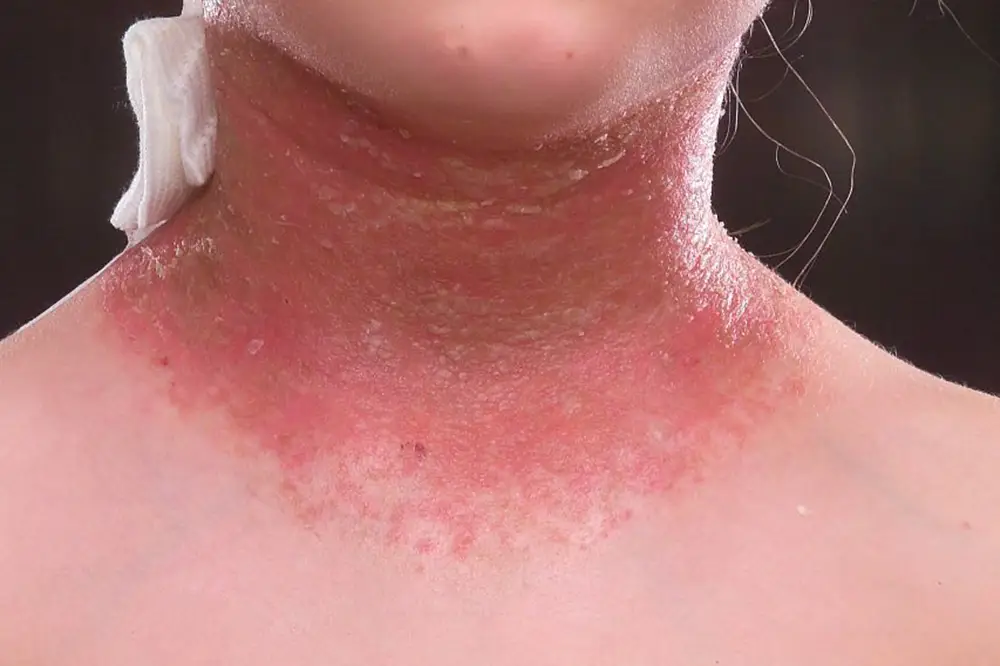
Atopic dermatitis
The most common form of eczema, atopic dermatitis often starts in childhood. It is characterised by dry, inflamed and itchy skin.
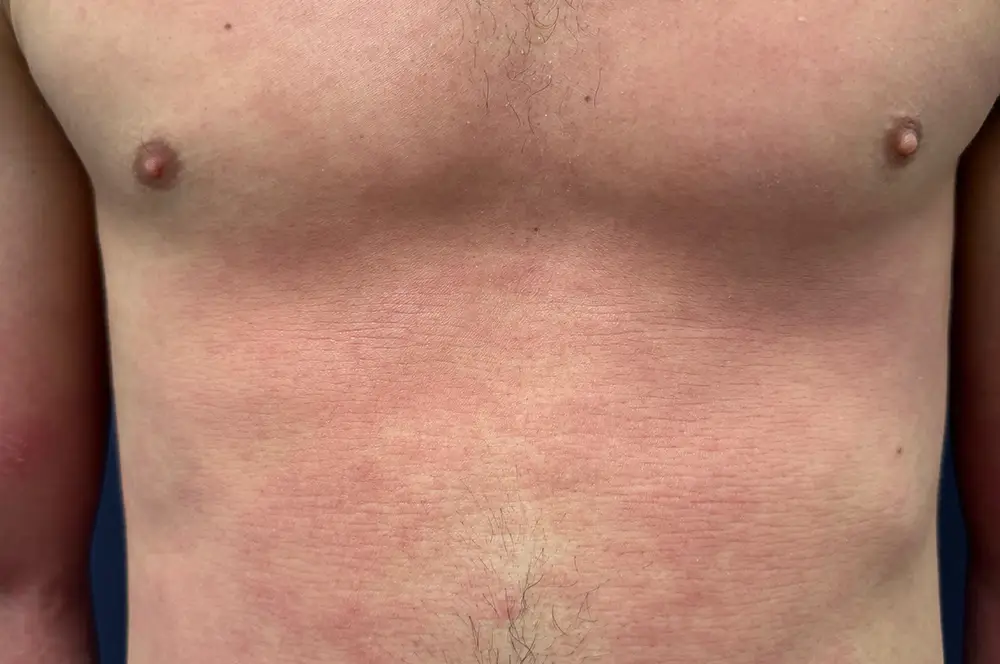
Contact dermatitis
Contact dermatitis is caused by direct contact with irritants or allergens. It leads to red, itchy, and sometimes blistering skin in localised areas.
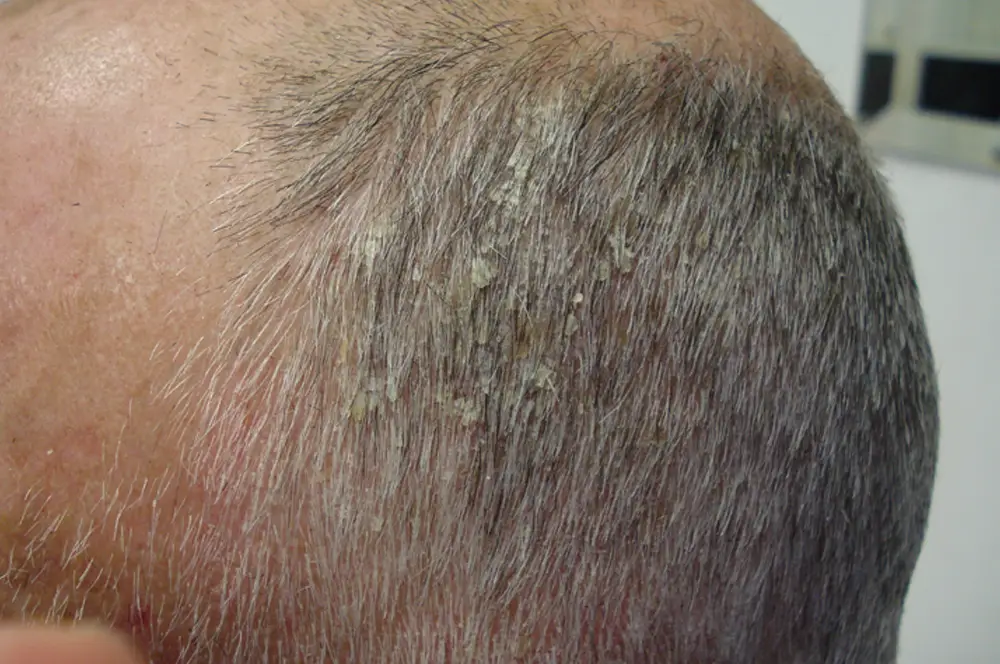
Seborrhoeic dermatitis
Seborrhoeic dermatitis affects areas with lots of oil glands, such as the scalp, face, and chest. It causes red, scaly patches on the skin.
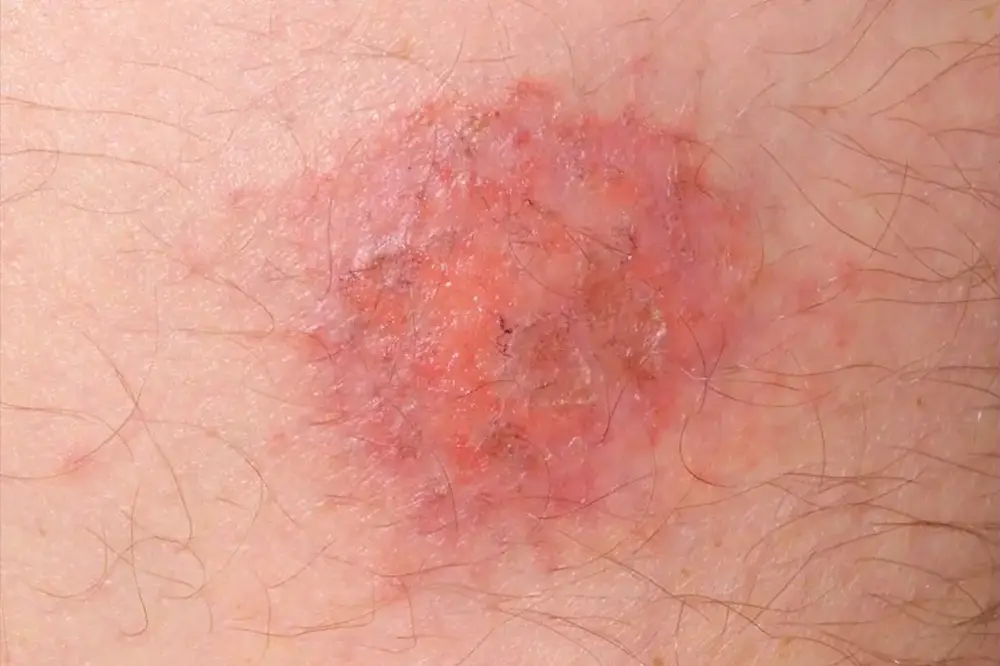
Discoid Eczema
Discoid Eczema also known as Nummular dermatitis presents as circular spots of irritated skin. It is typically found on the arms, legs, and torso.
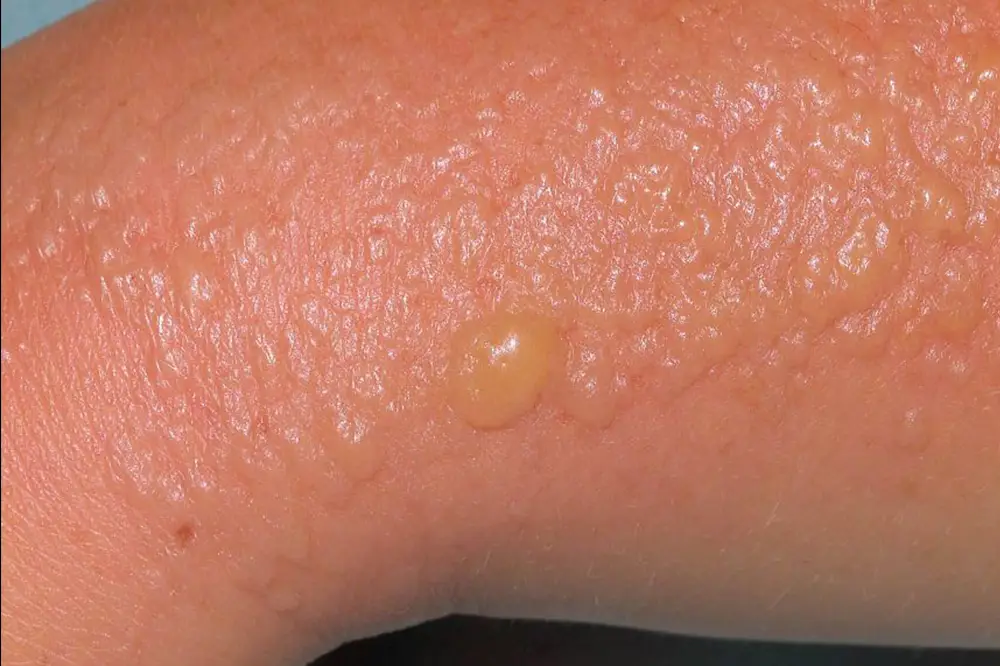
Pompholyx eczema
Pompholyx eczema causes small, itchy blisters on both the hands and feet.
What are the symptoms of eczema and dermatitis?
Eczema and dermatitis symptoms can vary from person to person, but common signs include:
- Itching: The itching from eczema and dermatitis can be severe for some people.
- Redness: You may experience inflamed, red patches on the skin.
- Dryness: You may notice your skin becoming dry, scaly, and cracked.
- Swelling: Eczema and dermatitis can cause the skin to swell and become sensitive.
- Blisters: Blisters can form in the skin, particularly on the hands. These can lead to oozing and crusting.
How to treat eczema and dermatitis
Effective management of eczema and dermatitis often involves a combination of treatments, such as:
Moisturisers
The regular use of emollients helps to keep the skin hydrated and also forms a protective barrier for the skin.
Topical steroids
Steroid creams can help to reduce skin inflammation and itching. However, these should only be used under medical supervision to avoid side effects.
Calcineurin inhibitors
Calcineurin inhibitors are immunosuppressants that are used to manage various autoimmune disorders, such as eczema and dermatitis. These help to reduce inflammation and itching.
Antihistamines
Oral antihistamines can help to control itching, and are especially effective at night.
Antibiotics
Antibiotics can be used to treat secondary bacterial infections that occur as a result of scratching.
Phototherapy (light therapy)
In widespread and more severe cases, phototherapy is the process of exposing the affected skin to controlled exposure of ultraviolet light in order to help reduce symptoms.
Lifestyle changes
Whilst there is no definite cause of eczema and dermatitis, some people do experience worsening symptoms from things such as certain food, fabrics and other environmental factors. Understanding triggers and adapting accordingly can help reduce symptoms.
How to prevent eczema and dermatitis
Eczema and dermatitis can't be prevented – or cured. But there are steps you can take to help reduce and manage symptoms:
- Skincare: Using gentle, fragrance-free skincare products and avoiding hot water and harsh soaps can help to stop flare ups.
- Hydration: Regularly applying moisturiser to the skin, especially after a bath or shower, will help to lock in moisture and keep skin soft.
- Avoid triggers: Identifying and knowing triggers and irritants can help the skin to heal and reduce symptoms.
- Stress management: Whilst stress does not directly cause eczema and dermatitis, we know stress can make it worse. Practising relaxation techniques such meditation, yoga and even exercise can help.
- Improve diet: Avoiding anti-inflammatory foods, such as those high in sugar and refined carbohydrates can elevate insulin levels, which promotes inflammation, can help reduce symptoms. Similarly, keeping a food diary can help you identify foods which you may be intolerant to, increasing symptoms further.
- Choose cool clothing: Natural, cool materials, such as cotton help the skin breathe. Synthetic material and wool, on the other hand, can irritate the skin, leading to itching.
Whilst scratching skin when it itches can provide short term relief, you do run the risk of breaking the skin's barrier or making the symptoms worse. Speak to a medical professional if you are unsure on how best to deal with an eczema or dermatitis flare-up.
Important information
When should I see a dermatologist for my eczema and dermatitis?
If your eczema and dermatitis is negatively impacting your life and you are unable to manage the symptoms with lifestyle changes and over-the-counter treatments, it is a good idea to see a specialist dermatologist.
Dermatologists are able to provide tailored treatment plans and may recommend stronger medications to help improve your life. It's important to see a dermatologist for your eczema and dermatitis if:
- Symptoms are severe or persistent.
- Over-the-counter treatments are not effective.
- The condition affects daily activities or causes significant discomfort.
- There are signs of infection, such as increased redness, warmth, pus, or fever.
What's the first step to treating eczema and dermatitis?
The first step is to book a consultation with one of our experts. From there we will assess your skin and understand how your eczema and dermatitis impact your life. We will spend time asking lifestyle questions, looking into your medical history, diet and discussing what treatments you have tried to date. Once we have all the information we need, we will prescribe the best treatment for you.
Whilst there is no cure for eczema and dermatitis, they are common conditions and can be managed with expert help. By understanding the causes, types, and treatment options, people can take proactive steps to manage their symptoms and improve their quality of life. For persistent or severe cases, seeking professional advice from a dermatologist is essential to tailor an effective treatment plan and ensure proper skin care.
We treat eczema and dermatitis
At Experts in Skin and Hair, we treat those suffering with eczema and dermatitis at our clinics. We spend time getting to know you, understanding your lifestyle, finding triggers, and suggesting the best treatments for you.
The course of treatment we recommend will depend on different factors but rest assured that our expert team has many years of experience successfully treating eczema and dermatitis, allowing people to live a full, pain-free life. There is no one-size-fits-all treatment, and we create a personalised treatment plan, recommending the best treatments and skincare that works for you.
Get in touch with our team today to discuss your eczema and dermatitis treatment.