Skin lesions, skin lumps and skin bumps
Skin lesions, lumps, and bumps are common dermatological concerns that can affect anyone. They range from benign growths to potentially serious conditions that require medical attention.
Book an appointmentA skin lump and bump can appear on the skin at any time. Although they may be concerning, they are often harmless and often go away on their own. A skin lesion is a medical term to describe an isolated "lump" or "bump". The term "lesion" can apply to benign, pre-cancerous and malignant conditions.
What are skin lesions, lumps, and bumps?
Skin lesions are any abnormal growth or area of skin that do not resemble the surrounding skin. Skin lesions can be categorised into primary lesions (such as moles or blisters) and secondary lesions (such as ulcers or scars).
Skin lumps and skin bumps are raised areas on the skin that can vary in size and texture. They can be benign, like sebaceous or epidermoid cysts, fluid filled blisters, skin tags, or more serious, like tumours.
What causes skin lesions, lumps, and bumps?
It is not always known what causes a particular skin lesion to form but genetics, trauma to the skin, ageing, UV exposure, hormones, oil production and a foreign body reaction (eg ingrowing hair) may all cause lesions to develop.
Skin lesions, lumps and bumps can be caused by a myriad of things, including:
Benign conditions
- Moles (Melanocytic Naevi): While usually harmless, moles should be monitored for changes.
- Cysts: Keratin-filled sacs that can form under the skin.
- Lipomas: Soft, fatty lumps that grow under the skin.
Infections
- Warts: Caused by the human papillomavirus (HPV).
- Abscesses: Pus-filled lumps due to bacterial infections.
Inflammatory conditions
- Acne: Blocked hair follicles leading to comedones, pimples and cysts.
Skin cancer
- Basal Cell Carcinoma (BCC): Appears as a pearly bump.
- Squamous Cell Carcinoma (SCC): Often a firm, red nodule.
- Melanoma: A serious form of skin cancer that can appear as a new mole or a change in an existing mole.
The types of skin lesions, lumps, and bumps
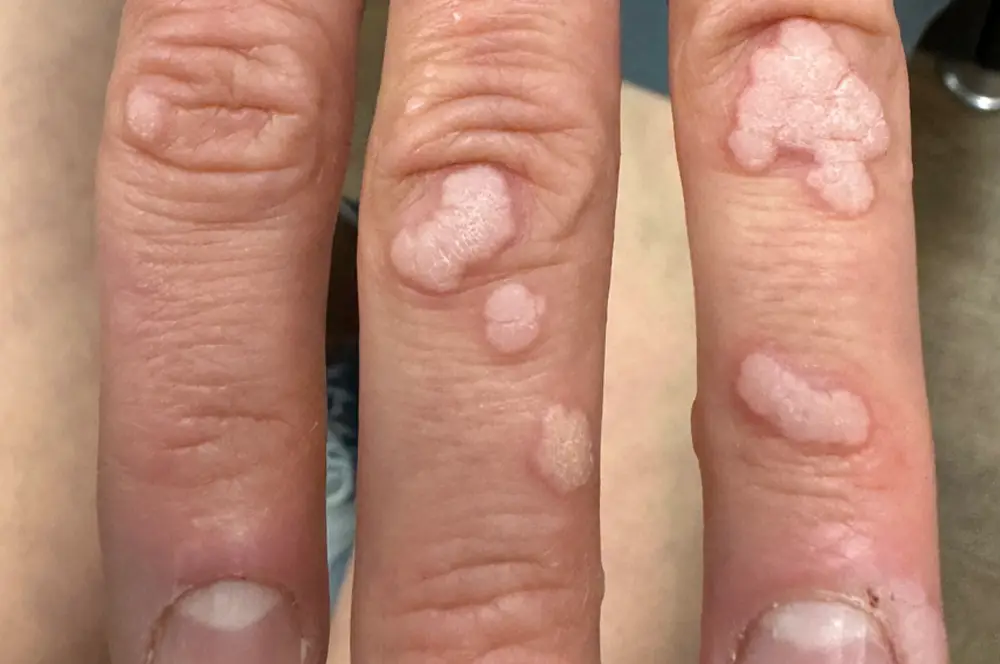
Viral Warts
Viral warts are highly contagious benign lumpy skin growths. They are caused by viruses and are commonly found on the hands and feet.
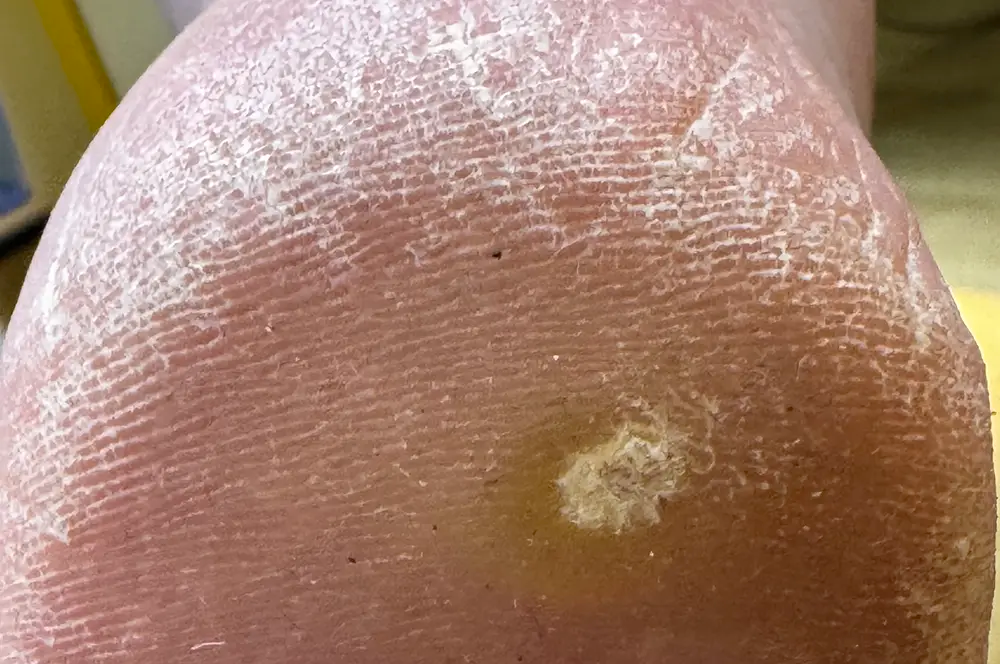
Verrucas
Verrucas are viral warts that occur on the feet. They are flat and white in appearance, identified by small black dots in the centre. They are highly contagious and often feel sore when touched or when weight is on them.
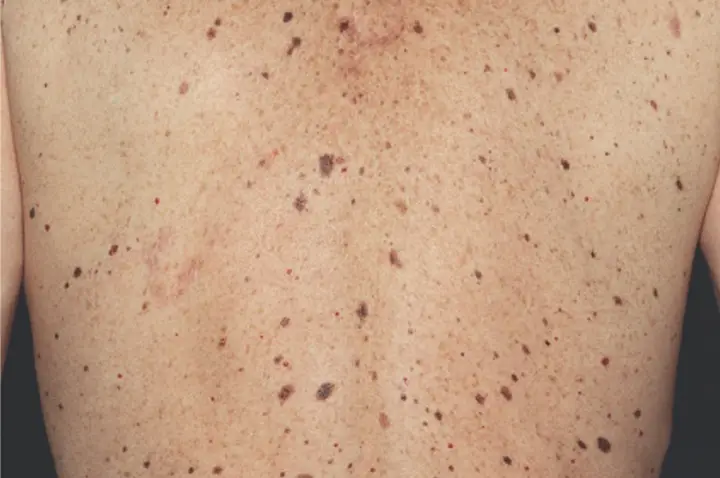
Moles
Moles are small patches or marks which most people have. Usually brown in colour, they are caused by pigment containing skin cells called melanocytes that cluster together to form a lump. Moles vary in size and shape and can be flat or be raised from the skin. Changes in the texture, size, colour and feel of moles should be monitored.
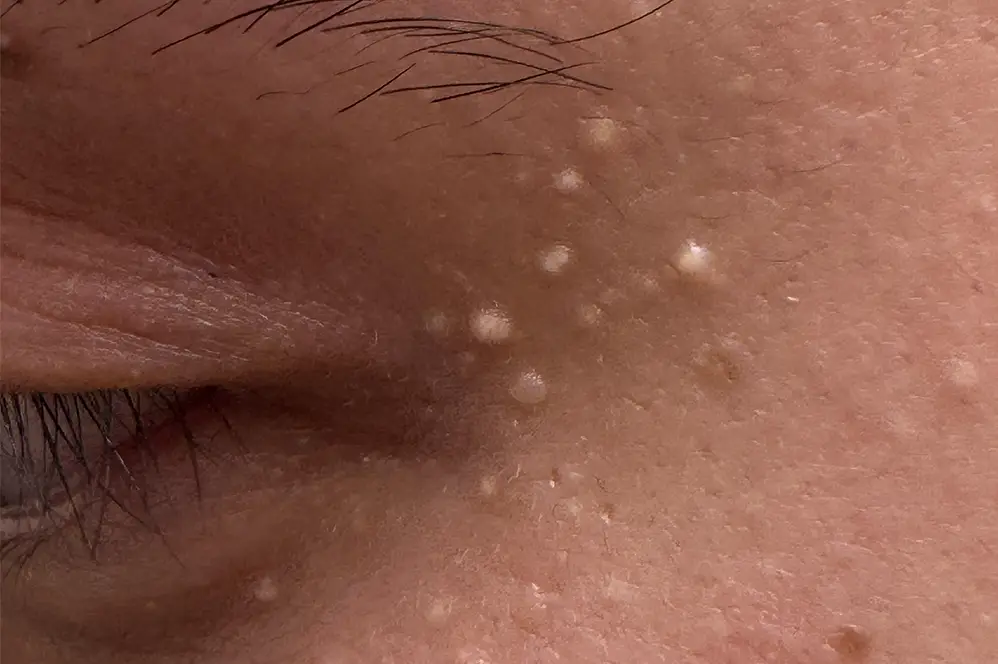
Milia
Milia are small white or yellowish raised dot, pimple or spot that appear on the skin. They are commonly found around the eye area or cheeks but can appear anywhere on the face or body. They are usually painless and not contagious.
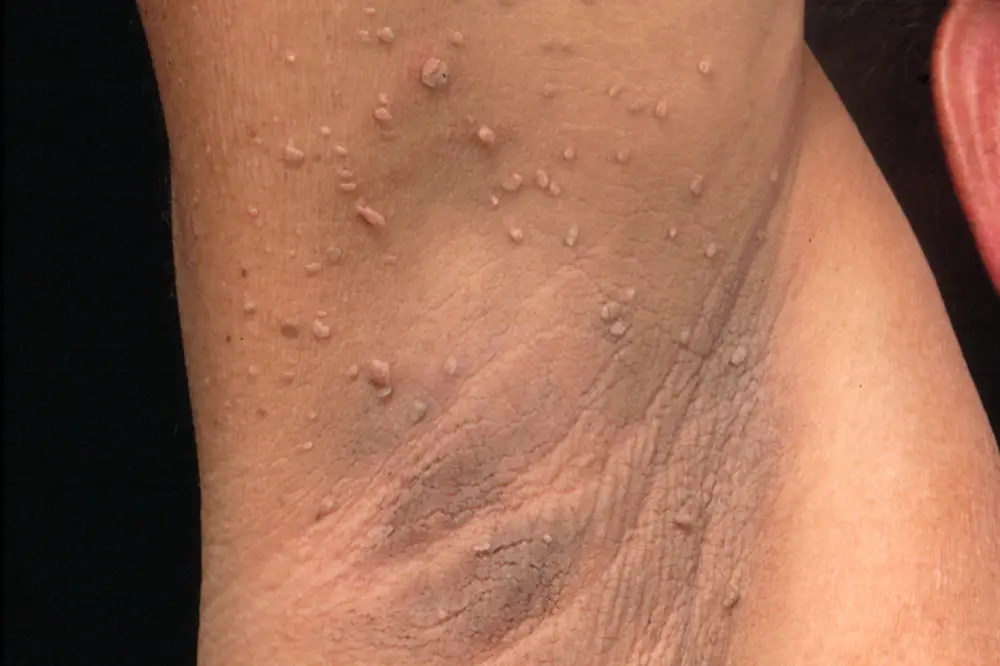
Skin Tags
Skin tags are small flesh-coloured or brown pieces of skin that protrude from the surface of the skin. Skin tags are incredibly common and can form anywhere but are often found on the neck and under armpits where the skin rubs on clothing. Skin tags are not contagious and are completely harmless. They do not usually cause pain but can snag on clothing or jewellery resulting in bleeding.
What are the symptoms of skin lesions, lumps, and bumps?
Skin lesions, lumps, and bump symptoms vary widely – depending on the cause and type. Common symptoms include:
- Size and shape: Can range from tiny dots to large growths, with shapes that can be round, irregular, or flat.
- Colour: Can be skin-coloured, red, brown, black, or blue.
- Texture: Smooth, rough, scaly, or crusty.
- Pain or discomfort: Some may be painful, itchy, or tender to the touch, while others are painless.
How to treat skin lesions, lumps, and bumps
The treatment for skin lesions, lumps, and bumps depends on their type, cause, and severity. Common treatment options include:
Topical treatments
- Antibiotic ointments: Antibiotic ointments are topically used for bacterial infections.
- Corticosteroids: Corticosteroids are topically used to reduce inflammation if a lump or bump has become angry or irritated.
Cryotherapy
- Cryotherapy involves freezing off warts, actinic keratoses, and other benign growths using liquid nitrogen.
Excisional surgery
- Excisional Surgery involves removing benign or malignant growths through surgical excision.
Electrosurgery
- Electrosurgery refers to hyfrecation using an electrical device that generates a destructive heat to remove unwanted skin growths.
How to prevent skin lesions, lumps, and bumps
While you cannot always prevent skin lesions, lumps, and bumps, with good skin care practices and regular monitoring, you can minimise the chance of them appearing:
- Use sun protection: Using a broad-spectrum sunscreen with an SPF of at least 30, wearing protective clothing, hats, and sunglasses and avoiding sun exposure – particularly between 11am and 3pm – can reduce the chances of developing skin cancer and any skin lesions related to UV exposure.
- Maintain a healthy lifestyle: Eating a balanced diet, staying hydrated, avoiding smoking and reducing alcohol consumption can reduce the chances of developing a skin lump.
- Practising a good skincare routine: Using gentle skincare products and avoiding known irritants and allergens can minimise the chances of a skin lump appearing.
- Schedule regular skin examinations: Performing monthly self-examinations to check for new or changing moles and growths and scheduling regular skin checks with a dermatologist can help to identify new skin lumps, bumps and lesions.
Important information
When should I see a dermatologist for my skin lesions, lumps, and bumps?
It is essential to seek professional advice if you notice any of the following:
- Rapidly growing or changing lesions, lumps, or bumps.
- Any new growths that bleed, itch, or cause pain.
- Signs of infection, such as redness, warmth, or pus.
- Any lesions or lumps that do not heal within a few weeks.
What's the first step to treating skin lesions, lumps, and bumps?
The first step is to book a consultation with one of our experts. From there we will assess your skin and examine your skin lesions, lumps, and bumps. We will discuss your medical history, taking the time to understand the triggers and irritants. Once we have a good picture, our experts will prescribe the best course of treatment for you, alongside a personalised skincare programme.
Skin lesions, lumps, and bumps are common and can range from benign to serious conditions. Understanding their causes and symptoms is important to ensure effective treatment and prevention. By adopting good skin care practices, protecting your skin from the sun, and seeking regular dermatological advice, you can maintain healthy skin and address any concerns.
Get in touch with our team today to discuss your skin lesions, lumps and bumps.
We treat all types of skin lesions, lumps, and bumps
At Experts in Skin and Hair, we treat all types of skin lesions, lumps, and bumps at our clinics. We will spend time analysing your concerns, taking the time to get to know you and your lifestyle, before suggesting the best treatments for you.
The treatment we offer will depend on a number of factors, such as the kind of skin lump, bump or lesion you have.
Our expert team has many years of experience treating all kinds of skin lumps, bumps and lesions, so understand how they can impact your life. We will create a personalised treatment programme, recommending the best treatments and skincare that work for you.