
Urticaria and Hives
Urticaria, more commonly known as hives, is a skin condition that is defined by itchy, raised bumps that appear on the skin. Affecting around 20% of people at some point in their lives, hives can impact lives and cause discomfort and distress.
What are hives?
Hives is an inflammatory skin condition that causes red, itchy bumps on the surface of the skin. These bumps can vary in size and may join together to form larger areas of raised skin.
Hives can appear anywhere on the body and usually last for a few hours to a few days. Anyone can develop hives, but there are some things that can cause a flare-up of hives – such as an allergic reaction.
What causes hives?
The exact cause of hives can often be difficult to pinpoint, but several factors are known to trigger the condition:
Allergic reactions: Allergic reactions can cause hives to appear. Common allergens include; certain foods (such as nuts, dairy, and eggs), medications (such as antibiotics and nonsteroidal anti-inflammatory drugs), and insect stings.
Physical stimuli: Physical factors such as pressure, cold, heat, exercise, and sunlight can trigger hives on the body or exacerbate symptoms.
Infections: Those suffering from viral infections, bacterial infections, and fungal infections can develop hives.
Stress: Moderate to severe stress and anxiety can trigger or exacerbate hives.
Autoimmune conditions: Some people can develop hives as a result of an autoimmune response.
Chronic conditions: Chronic urticaria can be associated with underlying health conditions, including thyroid disease and lupus.
Types of hives
There are a number of types of hives that can cause distress:
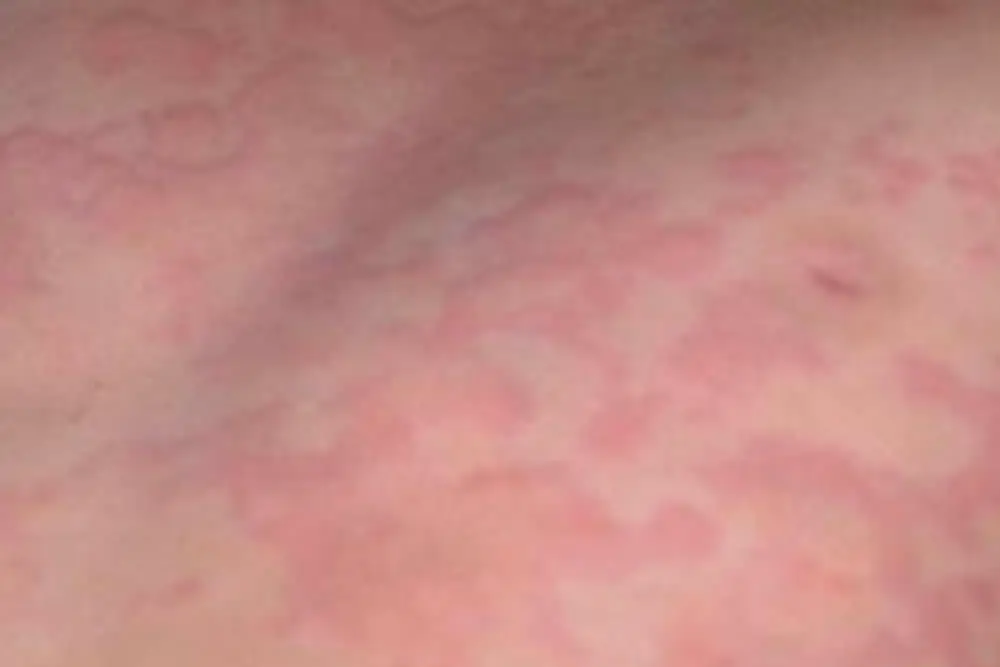
Acute urticaria
Acute urticaria are hives that last less than six weeks. They are often triggered by infections, foods, medications, or insect stings.
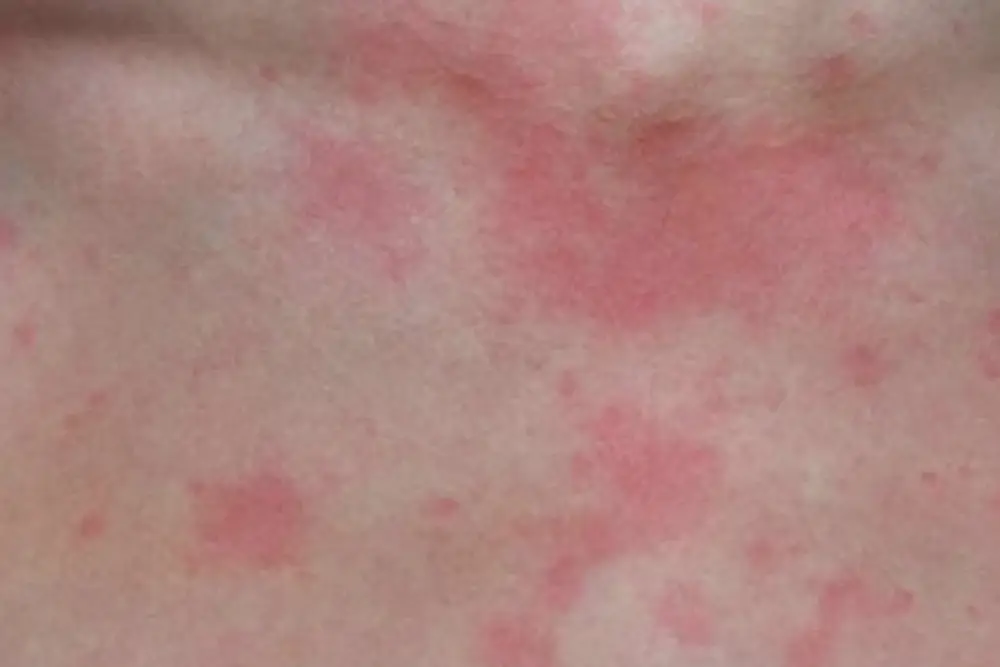
Chronic urticaria
Chronic urticaria are hives that do not go away for more than six weeks. The exact cause is often unknown. However, chronic urticaria can be linked to underlying medical conditions.
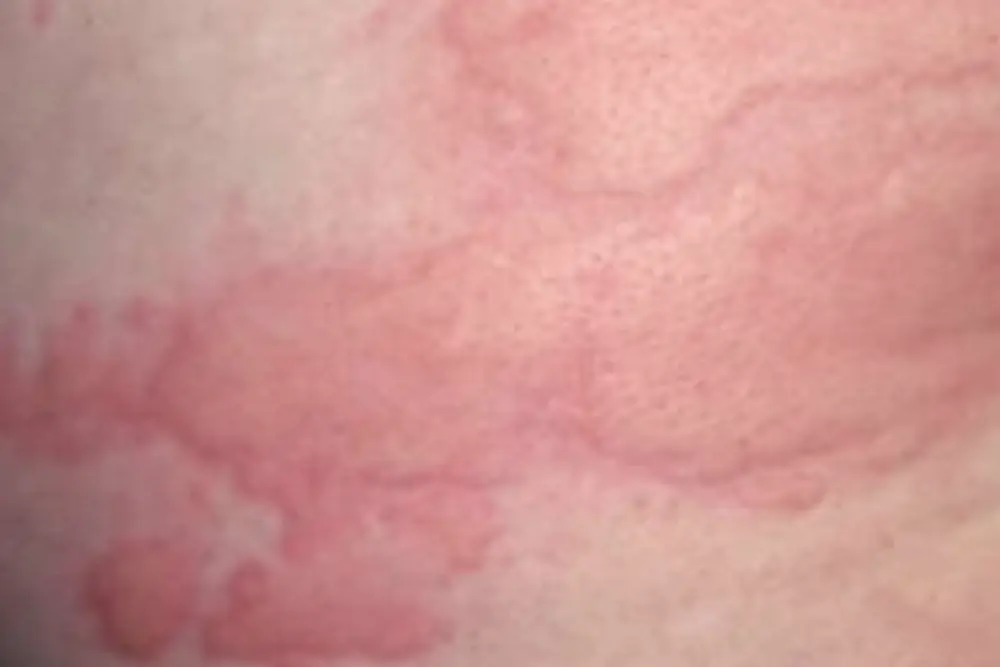
Physical urticaria
Physical urticaria is triggered by physical changes, such as pressure, temperature changes, or sunlight.
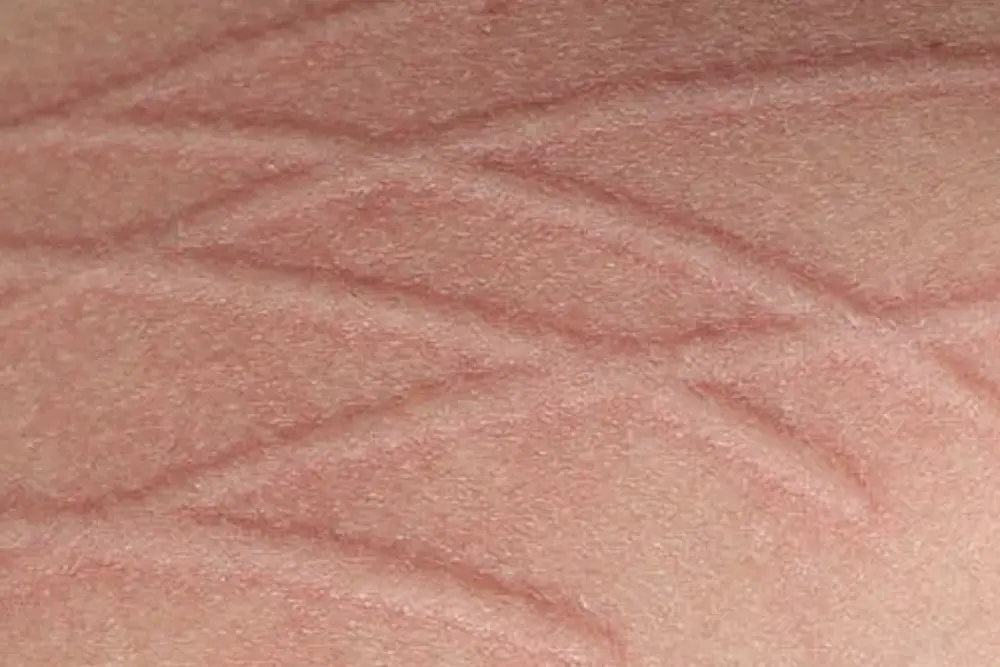
Dermographism
Dermatographic or dermographic urticaria appears on the skin if it has been scratched or rubbed.
What are the symptoms of hives?
The symptoms of hives can vary from person to person, but they commonly include:
- Red or skin-coloured bumps which can range from a few millimetres to several centimetres in diameter.
- Intense itching that lasts for a long time.
- Swelling – particularly around the eyes, lips, and throat – which can be concerning and require medical attention.
- The centre may turn white when pressed.
How to treat hives
Treatment for hives focuses on relieving symptoms and addressing the underlying causes:
Antihistamines: Over-the-counter or prescription antihistamines can help to reduce itching and swelling.
Corticosteroid medications: For severe cases, oral corticosteroids, which are used to treat inflammatory bowel disease and rheumatoid arthritis, can be prescribed for a short duration to help aid in reducing symptoms.
Avoid triggers: Identifying and avoiding known triggers is crucial in managing hives. Triggers can be anything, from food to your general environment.
Epinephrine auto injector: In cases of severe allergic reactions, an epinephrine injection (also known as adrenaline pen or epipen) may be necessary.
Immune modulators or biologics: For chronic urticaria, biologic medications like omalizumab may be used to modify the immune response. These work by blocking reactions in your immune system that cause the symptoms of hives – among other allergic reactions.
How to prevent hives
Managing hives can be difficult, but there are preventive measures that can be taken, as well as active treatments for those suffering:
Identify triggers: Keeping a note or diary to track flare-ups can help to identify foods, activities, and environments that are potential triggers.
Stress management: Managing stress levels can reduce symptoms. Practising meditation, yoga, and undertaking regular exercise can help manage stress levels.
Avoid known allergens: Understanding triggers and known allergens, and avoiding those, can significantly improve symptoms.
Important information
When should I see a dermatologist for my hives?
While hives are not life-threatening, persistent hives can be troublesome or occasionally indicate underlying conditions. As such, it's important to seek professional advice if you experience persistent or frequent hives, or if they are causing severe itching or discomfort.
If you experience swelling of the lips, tongue, or throat, or signs of infection, such as redness, warmth, or pus, you should seek professional medical advice immediately.
A dermatologist can provide a detailed evaluation and tailored treatment plan, potentially including advanced therapies for chronic cases.
What's the first step to treating hives?
The first step is to book a consultation to discuss your symptoms with one of our experts. From there we will assess your hives and discuss treatment options with you. Although we may recommend different treatments, the final decision is down to you on how you proceed.
Hives are a common but often distressing condition that can significantly impact the quality of a person's life. Understanding the causes, symptoms, and treatment options is important to ensure effective management. For persistent or severe cases, consulting a dermatologist, adopting preventive measures and seeking medical advice can significantly improve symptoms and improve people's quality of life.
We treat patients suffering from hives
At Experts in Skin and Hair, we can help those suffering from hives at our clinics. Our team will take the time to understand your concerns, symptoms and triggers. It's also important we know your medical history, including what medications you are currently taking. From there, we will be able to recommend a treatment plan that will work for you.
The treatment we offer will depend on the type of hives you suffer from and their triggers.
Our expert team has many years of experience in treating painful and severe acne, so understand how it impacts your life. We will create a personalised treatment programme, recommending the best treatments and skincare that works for your skin and the acne you're suffering from.
Get in touch with our team today to discuss your treatment for hives.